
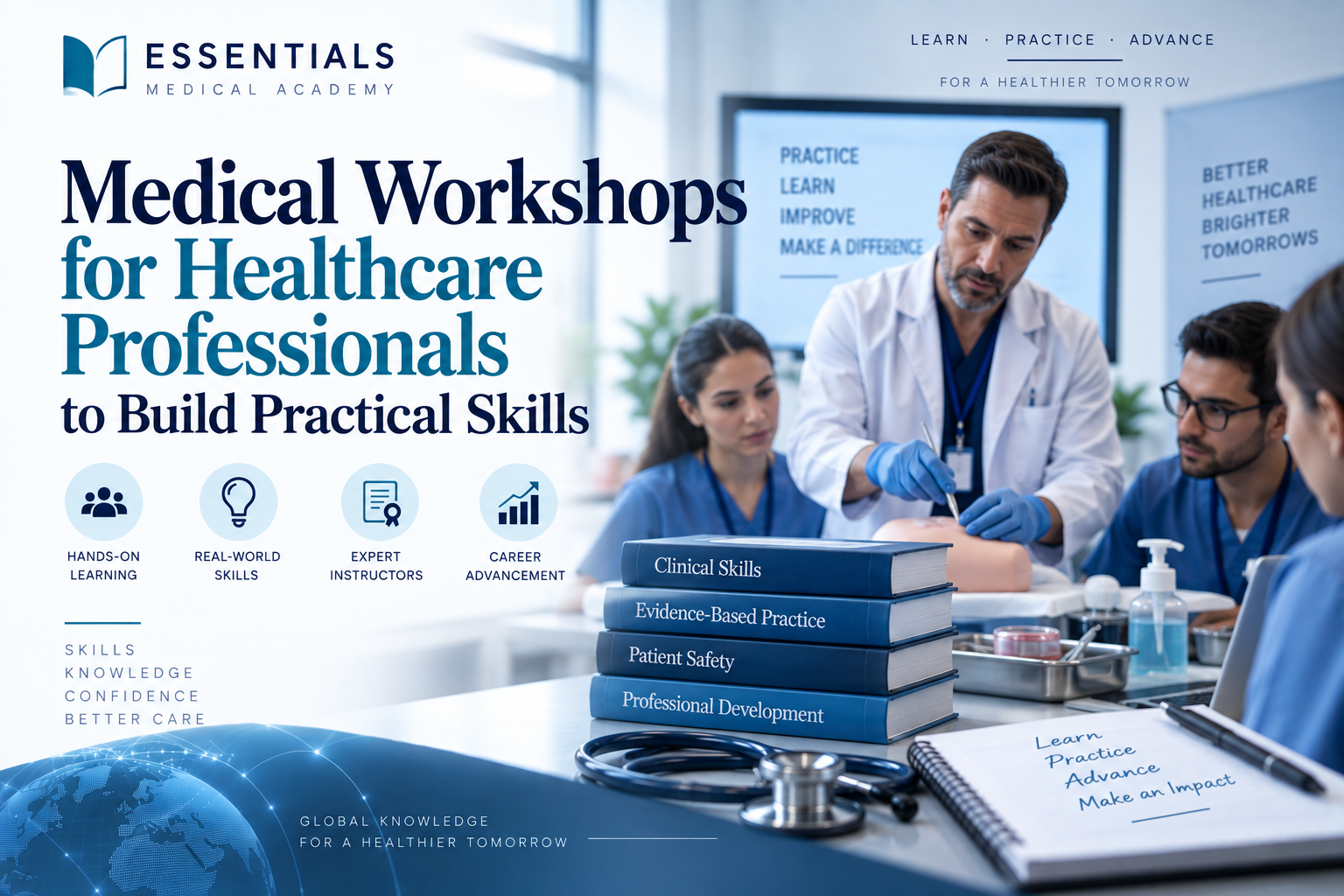
Medical Workshops are structured, interactive educational sessions designed to help healthcare professionals develop practical knowledge and clinical competencies in a focused learning environment. Unlike traditional lectures, which often emphasize theoretical information and one-way communication, workshops encourage active participation through demonstrations, guided practice, case discussions, simulations, problem-solving activities, and direct interaction with experienced instructors. This approach allows participants to connect medical concepts with real clinical situations and understand how knowledge can be applied safely and effectively in professional practice.
Depending on the subject, a workshop may focus on a specific procedure, diagnostic method, clinical skill, treatment approach, communication technique, or area of healthcare management. The learning objectives are usually clearly defined before the session begins, allowing instructors to organize activities around measurable outcomes and enabling participants to understand what they are expected to gain by the end of the program. The duration can vary from a few hours to several days according to the complexity of the topic and the level of practical training required. Some sessions may be introductory and suitable for professionals who are developing basic competencies, while others may address advanced techniques for participants with previous clinical experience.
Practical demonstrations can help learners observe the correct sequence of a procedure, recognize common errors, and understand important safety considerations before attempting a task themselves. Small-group activities can also create opportunities for discussion and peer learning, allowing participants to compare clinical approaches and consider different solutions to common challenges. In addition, workshops may incorporate mannequins, medical equipment, standardized patients, digital simulations, or case-based scenarios to create a realistic educational experience without exposing actual patients to unnecessary risks. A well-designed workshop should balance explanation with practice and provide opportunities for questions, feedback, and reflection.
Assessment may take place through practical observation, quizzes, case analysis, or instructor feedback. This combination of focused instruction and active participation makes workshops a valuable component of professional development and continuing education, particularly when healthcare professionals need to strengthen practical abilities rather than simply acquire additional theoretical information.
Why Medical Workshops Are Important for Healthcare Professionals
Medical Workshops are important because healthcare practice requires professionals to maintain both current knowledge and practical competence throughout their careers. Medical science, diagnostic technologies, treatment protocols, clinical guidelines, and healthcare systems continue to evolve, making continuous learning an essential part of professional development. Workshops provide a focused setting where healthcare professionals can explore specific topics in greater depth and develop skills that may be difficult to acquire through reading or conventional classroom instruction alone.
One of their major advantages is the opportunity to learn through direct practice. Participants can observe experienced instructors, perform selected techniques under supervision, receive immediate feedback, and identify areas that require further improvement. This practical process can strengthen confidence while reinforcing appropriate safety procedures and professional standards. Workshops can also improve clinical reasoning by presenting realistic patient cases that require participants to analyze symptoms, interpret findings, consider possible diagnoses, and select appropriate management strategies.
Group discussions add another important dimension because healthcare professionals often approach the same clinical situation from different perspectives depending on their specialty and experience. Sharing these perspectives can encourage critical thinking and expose participants to alternative approaches that may be relevant to their own practice.
Another benefit is the opportunity to become familiar with new medical technologies, devices, documentation systems, or clinical methodologies in a controlled educational environment. Instead of relying solely on theoretical explanations, participants can gain a clearer understanding of how a new tool or technique functions and what considerations should be taken into account before implementing it in clinical practice.
Workshops may also support communication and teamwork by using scenarios that involve multidisciplinary collaboration, patient education, informed consent, emergency response, or coordination between different healthcare departments. These skills are particularly important because high-quality healthcare depends not only on individual clinical knowledge but also on effective communication and coordinated decision-making.
From a professional development perspective, participation can demonstrate a commitment to lifelong learning and may contribute to continuing education requirements when the activity is appropriately accredited. Ultimately, well-structured workshops can complement formal education by transforming knowledge into practical competence and helping professionals remain prepared for changing clinical responsibilities.
Who Can Attend Medical Workshops?
Medical Workshops can be attended by a wide range of healthcare professionals, depending on the subject, educational objectives, entry requirements, and level of clinical complexity. Physicians may participate in workshops related to diagnosis, procedural medicine, emergency care, surgery, internal medicine, imaging, pain management, or other specialties relevant to their professional responsibilities. Nurses can benefit from sessions addressing patient assessment, medication safety, infection prevention, wound care, emergency response, clinical documentation, communication, and other nursing competencies.
Dentists may attend specialized educational activities covering restorative techniques, oral surgery, dental imaging, infection control, anesthesia, prosthodontics, or other areas of dental practice. Pharmacists can participate in workshops focused on medication management, pharmacotherapy updates, patient counseling, drug safety, clinical pharmacy, and appropriate medication use. Allied health professionals, including physiotherapists, occupational therapists, radiographers, laboratory professionals, respiratory therapists, and other healthcare workers, may also find workshops relevant to their specific responsibilities. Medical students and recent graduates may be eligible for introductory workshops designed to strengthen foundational clinical skills and prepare them for practical professional environments, although some advanced sessions may require previous qualifications or clinical experience. Healthcare administrators and managers can also benefit from workshops addressing leadership, healthcare quality, patient safety, risk management, communication, and operational improvement. The eligibility criteria should always be reviewed before registration because some sessions are intended exclusively for licensed professionals or participants with specific academic backgrounds.
Certain practical programs may also require proof of previous training, professional registration, or experience with a particular procedure. In addition to formal eligibility, participants should consider whether the workshop matches their current learning needs and professional goals. A beginner may gain more value from a foundational session that explains essential principles and provides supervised practice, while an experienced professional may prefer an advanced program centered on complex cases or specialized techniques. Multidisciplinary workshops can be particularly valuable because they bring professionals from different fields together to understand how their responsibilities connect throughout the patient-care process.
This environment can encourage collaboration and improve appreciation of the roles performed by other members of the healthcare team. Choosing an appropriate workshop therefore involves considering professional specialty, experience level, learning objectives, accreditation status, practical components, instructor qualifications, and expected outcomes. When these factors are aligned, participants can obtain meaningful educational benefits that support both immediate skill development and longer-term career progression.
Types of Medical Workshops for Healthcare Professionals
Medical Workshops can be organized into numerous categories according to specialty, learning objectives, participant experience, and the type of skills being developed. Clinical skills workshops are among the most common and may cover patient assessment, physical examination, clinical decision-making, emergency response, venipuncture, wound management, airway management, or other practical competencies.
Procedural workshops provide more focused training on specific techniques and may use simulation models, medical devices, or supervised practice to help participants understand appropriate preparation, execution, monitoring, and follow-up. Emergency and critical care sessions often concentrate on time-sensitive situations such as resuscitation, trauma assessment, acute deterioration, airway emergencies, and coordinated response. Diagnostic workshops may focus on interpreting laboratory findings, medical imaging, electrocardiograms, ultrasound examinations, or other diagnostic tools according to the participant’s professional scope. Specialty-based programs can address areas such as cardiology, neurology, orthopedics, anesthesiology, pediatrics, obstetrics, dermatology, dentistry, pharmacy, or rehabilitation.
There are also workshops dedicated to patient safety and quality improvement, where healthcare professionals learn about infection prevention, medication errors, clinical risk assessment, incident reporting, and strategies for improving healthcare processes. Communication-focused sessions can develop skills in patient counseling, breaking difficult news, informed consent, conflict management, teamwork, and professional communication. Leadership and management workshops are particularly relevant for healthcare professionals who supervise teams or participate in organizational decision-making. These programs may cover leadership styles, delegation, performance improvement, healthcare operations, strategic planning, and quality management.
Technology-oriented workshops can introduce participants to electronic health records, digital health tools, telemedicine systems, simulation technologies, or specialized medical equipment. Research-focused sessions may teach literature evaluation, clinical research methods, evidence-based practice, data interpretation, scientific writing, and presentation skills. Workshops can also differ according to their educational format. Some are conducted entirely in person, while others combine online theoretical instruction with practical sessions. Simulation-based programs provide realistic scenarios that allow participants to practice decision-making and teamwork without placing actual patients at risk.
Case-based workshops, meanwhile, use clinical situations to encourage analysis, discussion, and evidence-based reasoning. Selecting the right format depends on the learner’s objectives, existing experience, professional specialty, and preferred learning approach. A strong program should clearly define its outcomes, provide qualified instruction, include appropriate practical activities when relevant, and offer useful feedback so participants can translate what they learn into their everyday professional responsibilities.
Medical Workshops for Doctors
Doctors need continuous opportunities to update their clinical knowledge, refine practical skills, and remain familiar with developments that influence modern healthcare practice. Medical Workshops provide an interactive educational format that can complement traditional lectures and online learning by allowing physicians to engage directly with instructors, clinical scenarios, demonstrations, and practical activities.
Depending on the specialty and educational objectives, workshops may focus on diagnostic techniques, clinical procedures, patient assessment, emergency management, surgical principles, imaging interpretation, pharmacological updates, or other areas relevant to medical practice. One of the main advantages of workshop-based education is its emphasis on active participation. Instead of receiving information passively, physicians may have opportunities to discuss clinical cases, analyze different approaches, ask questions, and practice selected techniques under appropriate supervision.
This practical structure can be particularly useful when learning skills that require repetition, precision, communication, or familiarity with specific equipment. Simulation-based activities may also be incorporated into selected programs, allowing participants to respond to realistic clinical situations in a controlled educational environment. Case discussions are another valuable component because they encourage doctors to consider patient history, examination findings, investigations, treatment options, potential complications, and appropriate follow-up. Workshops can also support multidisciplinary learning by bringing professionals from related specialties together to discuss complex cases and understand how collaborative decision-making contributes to coordinated patient care. In addition to clinical subjects, professional workshops may address communication, medical ethics, patient safety, quality improvement, documentation, leadership, and healthcare technology. These areas can help physicians strengthen competencies that extend beyond direct clinical procedures. For experienced doctors, workshops can provide opportunities to refresh established knowledge and explore developments within their specialties.
For physicians at earlier stages of their careers, they may offer structured exposure to practical concepts that complement formal academic and residency training. At Essentials Medical Academy, educational workshops can be designed around clearly defined learning objectives and relevant professional needs, with an emphasis on scientifically reliable information and practical application.
When selecting a workshop, doctors should consider the qualifications and experience of instructors, the relevance of the subject matter, the educational methodology, the practical components included, and accreditation or recognition where applicable. A well-designed workshop should encourage critical thinking rather than presenting techniques as universally appropriate for every patient or clinical situation.
Participants should also have opportunities to understand indications, limitations, safety considerations, and circumstances in which additional consultation or referral may be necessary. Ultimately, interactive professional education can contribute to lifelong learning by helping doctors maintain competence, evaluate new developments responsibly, and integrate appropriate knowledge into their clinical practice. Through structured participation, discussion, and practical learning, physicians can continue developing the skills and professional judgment needed to provide safe, informed, and patient-centered healthcare.
Medical Workshops for Nurses
Medical Workshops for Nurses provide focused opportunities for nursing professionals to strengthen clinical knowledge, practical competencies, communication abilities, and patient-care skills within a structured educational environment. Nursing practice involves continuous interaction with patients, families, physicians, pharmacists, and other healthcare team members, which means nurses need to maintain up-to-date knowledge while developing the ability to respond appropriately to changing clinical situations. Specialized training sessions can address a broad range of nursing responsibilities, including patient assessment, vital-sign monitoring, medication administration, infection prevention, wound care, pain assessment, documentation, patient education, and emergency response. Practical learning is particularly valuable because many nursing competencies require more than theoretical understanding. Demonstrations, simulation scenarios, supervised practice, and instructor feedback can help participants understand correct procedures and recognize potential mistakes before applying their skills in real clinical settings.
Emergency care training may introduce scenarios involving cardiac arrest, respiratory deterioration, trauma, shock, or sudden changes in a patient’s condition, allowing nurses to practice rapid assessment, prioritization, communication, and teamwork. Other programs may focus on specialized areas such as intensive care, pediatric nursing, maternal and newborn care, operating-room nursing, oncology, mental health, or community healthcare. Communication is another important component because nurses frequently explain procedures, provide health education, address patient concerns, and communicate critical information to other members of the healthcare team.
Educational sessions can therefore include techniques for effective handover, therapeutic communication, conflict management, and patient-centered care. Nurses can also benefit from programs covering evidence-based practice and quality improvement, helping them evaluate clinical information and apply appropriate recommendations to everyday care. For newly qualified nurses, introductory sessions can help bridge the gap between academic learning and practical responsibilities, while experienced professionals may prefer advanced programs addressing complex clinical cases or specialized procedures.
When selecting a program, nurses should consider the subject matter, learning objectives, instructor qualifications, practical components, assessment methods, and accreditation where relevant. A well-designed educational experience should not simply provide additional information but should encourage active participation, critical thinking, and measurable skill development. By combining theoretical instruction with practical application, these programs can support professional growth and help nurses provide safe, organized, and patient-centered care throughout their careers.
Medical Workshops for Dentists
Medical Workshops for Dentists can support continuous professional development by providing focused education in clinical procedures, diagnostic techniques, treatment planning, patient communication, and modern dental technologies. Dentistry is a rapidly developing field in which materials, instruments, imaging systems, restorative techniques, digital workflows, and clinical recommendations continue to evolve.
For this reason, dentists can benefit from structured learning experiences that allow them to review established principles while becoming familiar with developments relevant to their professional practice. Practical training is particularly useful in dentistry because many procedures require precise manual skills, careful sequencing, appropriate instrument handling, and attention to patient safety. Workshops may use models, simulation systems, demonstrations, and supervised exercises to help participants understand procedural steps before incorporating new techniques into clinical practice.
Restorative dentistry sessions may address contemporary approaches to composite restoration, adhesive techniques, dental materials, or minimally invasive procedures, while endodontic programs can focus on access preparation, canal instrumentation, irrigation principles, and obturation techniques. Other specialized sessions may cover prosthodontics, periodontics, oral surgery, pediatric dentistry, orthodontics, implant dentistry, or aesthetic procedures according to the educational level of the participants.
Diagnostic education can also be valuable, particularly when it involves interpretation of dental radiographs, three-dimensional imaging, clinical examination findings, or digital diagnostic tools. Patient safety should remain central to every practical program, with attention to infection prevention, sterilization procedures, clinical documentation, appropriate treatment planning, and recognition of situations that may require referral. Dentists can additionally benefit from communication-focused training because successful treatment depends partly on the ability to explain diagnoses, discuss available options, establish realistic expectations, and obtain appropriate informed consent.
Digital dentistry has created further opportunities for specialized education, including intraoral scanning, computer-aided design and manufacturing, digital treatment planning, and integration of technology into clinical workflows. Beginners may prefer foundational programs that introduce principles gradually, whereas experienced practitioners may seek advanced sessions involving complex cases and specialized techniques.
Before enrolling, dentists should evaluate the instructor’s qualifications, course objectives, practical training opportunities, equipment used, educational level, and any applicable accreditation requirements. A valuable program should encourage active learning rather than passive observation and should give participants opportunities to ask questions, practice relevant techniques, and receive constructive feedback. Through targeted professional education, dentists can continue developing their competencies while adapting their clinical knowledge to advances in modern dental practice.
Medical Workshops for Pharmacists
Medical Workshops for Pharmacists offer opportunities to strengthen professional knowledge in pharmacotherapy, medication safety, patient counseling, clinical decision-making, pharmaceutical care, and developments within the healthcare sector.
Pharmacists play an increasingly important role in supporting appropriate medication use, monitoring therapy, identifying potential drug-related problems, educating patients, and collaborating with other healthcare professionals. Because medications, treatment recommendations, regulatory requirements, and evidence-based practices continue to evolve, ongoing education can help pharmacists maintain current competencies and respond effectively to changing professional responsibilities. Educational programs may address a wide range of subjects, including pharmacology updates, drug interactions, adverse drug reactions, medication reconciliation, antimicrobial stewardship, chronic disease management, and safe dispensing practices.
Case-based learning can be especially valuable because it allows participants to analyze realistic patient scenarios and consider factors such as age, comorbidities, current medications, allergies, laboratory results, adherence, and potential contraindications. Patient counseling sessions may focus on improving communication and helping pharmacists explain medication schedules, administration instructions, possible adverse effects, storage requirements, and the importance of adherence in a clear and understandable manner. Clinical pharmacy programs can explore how pharmacists contribute to multidisciplinary healthcare teams through medication reviews, monitoring therapeutic outcomes, and supporting individualized treatment plans within their professional scope. Community pharmacists may benefit from sessions related to common minor illnesses, patient triage, health promotion, vaccination services where applicable, and appropriate referral to physicians or other healthcare providers.
Hospital pharmacists can seek more specialized education in areas such as sterile preparation, critical care pharmacotherapy, oncology, nutrition support, medication safety systems, and formulary management. Pharmaceutical technology and digital systems may also be included in professional education, particularly where electronic prescribing, medication-management platforms, clinical decision-support systems, or automated dispensing technologies are relevant.
Ethical and regulatory considerations can form another important component, ensuring that participants understand their responsibilities regarding confidentiality, documentation, controlled medicines, and professional conduct according to applicable regulations. For students and newly qualified pharmacists, introductory sessions can help connect academic knowledge with practical workplace situations, while experienced professionals may prefer advanced programs focused on specialized therapeutic areas or complex cases.
When selecting an educational program, pharmacists should consider the subject’s relevance to their role, the qualifications of instructors, practical or case-based components, assessment methods, and accreditation status when continuing education credits are required. A strong learning experience should encourage critical thinking and evidence-based decision-making, helping pharmacists apply updated knowledge responsibly while contributing to safe and effective medication use.
Medical Workshops for Allied Health Professionals
Medical Workshops for Allied Health Professionals are designed to address the diverse educational requirements of healthcare specialists who contribute to patient care alongside physicians, nurses, dentists, and pharmacists.
Allied health encompasses numerous professions, including physiotherapists, occupational therapists, radiographers, medical laboratory professionals, respiratory therapists, speech and language specialists, dietitians, rehabilitation professionals, and other specialized practitioners. Because each discipline has distinct responsibilities, effective professional education should be tailored to the participant’s scope of practice, existing knowledge, and clinical objectives. Physiotherapists may participate in sessions focused on rehabilitation techniques, movement assessment, musculoskeletal conditions, neurological rehabilitation, exercise prescription, or patient safety during therapeutic interventions. Occupational therapists may seek education related to functional assessment, adaptive strategies, rehabilitation planning, and supporting patients in performing daily activities.
Radiography professionals can benefit from programs covering imaging protocols, radiation safety, image quality, equipment developments, and appropriate patient positioning. Laboratory professionals may attend sessions addressing diagnostic testing, specimen handling, laboratory quality systems, analytical methods, infection control, and interpretation of selected laboratory findings within their professional scope.
Respiratory therapists may require specialized training in airway management, respiratory monitoring, mechanical ventilation, oxygen therapy, or critical-care support. Dietitians and nutrition professionals can benefit from educational sessions covering nutritional assessment, therapeutic diets, chronic disease management, patient counseling, and evidence-based nutrition practices. Interdisciplinary education is particularly valuable because allied health professionals frequently collaborate across different departments and specialties. Case-based activities can demonstrate how multiple disciplines contribute to assessment, treatment, rehabilitation, discharge planning, and follow-up care.
Team-based simulations may also strengthen communication, role clarity, handover procedures, and coordinated decision-making. Technology is another important area, with some programs introducing participants to digital documentation, telehealth, advanced rehabilitation equipment, diagnostic technologies, or specialized clinical software. Professional development should also include patient-centered communication, ethical practice, documentation standards, infection prevention, and quality improvement where relevant. Beginners may benefit from foundational education that develops core competencies, while experienced professionals may prefer advanced sessions centered on complex cases, specialized techniques, or emerging practices.
Before registration, participants should review the course objectives, instructor credentials, practical activities, assessment methods, professional relevance, and accreditation requirements. The most effective educational programs connect current evidence with realistic workplace situations and provide opportunities for active participation. By supporting continuous learning across different allied health disciplines, these programs can contribute to stronger clinical competencies, improved interdisciplinary collaboration, and more consistent patient-centered care.
Medical Workshops for Healthcare Technicians
Medical Workshops for Healthcare Technicians can provide practical and technical education that supports accuracy, safety, equipment proficiency, and effective performance in specialized healthcare environments. Healthcare technicians work across numerous areas, including laboratory services, radiology, medical imaging, pharmacy support, dental laboratories, operating rooms, biomedical equipment, and other technical departments. Their responsibilities often involve specialized instruments, diagnostic systems, specimens, digital platforms, or clinical equipment, making continuous technical education important for maintaining appropriate standards. Laboratory technicians, for example, may participate in training related to specimen collection and handling, laboratory procedures, quality control, analytical equipment, biosafety, and documentation.
Radiology and imaging technicians can benefit from sessions covering patient positioning, imaging protocols, radiation protection, equipment operation, image-quality considerations, and developments in digital imaging technologies. Biomedical equipment technicians may require specialized education concerning equipment maintenance, calibration, troubleshooting, electrical safety, preventive maintenance, and documentation. Dental laboratory technicians can seek programs related to dental materials, digital workflows, prosthetic fabrication, scanning technologies, computer-aided manufacturing, and quality control. Technical training should combine theoretical explanations with practical activities whenever appropriate, allowing participants to understand how equipment and procedures function while reinforcing safety requirements. Simulation and hands-on demonstrations can help technicians become familiar with new systems before they are used in operational environments. Quality assurance is another important topic because accurate technical work can directly influence clinical decision-making and patient outcomes.
Programs may therefore address error prevention, documentation, equipment checks, process monitoring, infection prevention, and compliance with institutional procedures. Communication skills also matter because technicians frequently interact with physicians, nurses, patients, laboratory staff, engineers, administrators, or other departments. Clear communication can help ensure that technical findings, equipment issues, procedural limitations, and safety concerns are properly understood and documented. For new technicians, foundational sessions can support the transition from academic or vocational education into professional practice. Experienced technicians may instead seek advanced training related to newly introduced equipment, updated procedures, specialized technologies, or quality-management systems. When choosing a program, participants should consider whether the content matches their technical role and whether instructors have appropriate professional and practical experience.
They should also examine the balance between theory and hands-on learning, available equipment, assessment methods, safety coverage, and any applicable certification or continuing education requirements. Well-structured training can help technicians remain competent as healthcare technology changes, while supporting reliable technical performance, workplace safety, and collaboration with the broader healthcare team.
Medical Workshops for Medical Students and Recent Graduates
Medical students and recent healthcare graduates often need opportunities to connect academic knowledge with the practical requirements of clinical environments. Medical Workshops can provide an interactive learning format that supports this transition by combining theoretical explanations with demonstrations, case discussions, simulations, and supervised practical activities. Unlike conventional classroom learning, workshop-based education encourages active participation and gives learners opportunities to ask questions, discuss clinical situations, and explore how professional knowledge can be applied in realistic healthcare settings.
Programs for medical students may cover essential topics such as patient history taking, physical examination, clinical assessment, basic emergency management, interpretation of common investigations, infection prevention, communication skills, and patient safety. The content can be adapted according to the learner’s academic level, ensuring that foundational concepts are introduced before more advanced subjects. For recent graduates, educational workshops can focus more strongly on practical competencies and workplace readiness, helping participants understand how to approach patient encounters, communicate with multidisciplinary teams, document clinical information, and recognize situations that require senior supervision or specialist input.
Case-based activities are particularly useful because they allow learners to work through realistic scenarios and develop structured clinical reasoning. Instead of simply memorizing information, participants can practice identifying relevant symptoms, organizing patient information, considering possible clinical explanations, and determining appropriate next steps within their professional scope. Simulation activities can also provide a controlled environment for practicing selected procedures and responding to clinical situations without exposing real patients to unnecessary risk.
Communication is another important element of professional preparation. Students and recent graduates may need to communicate with patients, families, physicians, nurses, pharmacists, technicians, and other healthcare professionals, making clarity, professionalism, empathy, and accurate information exchange essential skills. Workshops may also introduce learners to medical ethics, confidentiality, informed consent, professional conduct, and the importance of evidence-based practice. At Essentials Medical Academy, workshops can complement university education by providing structured learning experiences that encourage participation and practical understanding. When choosing a workshop, students and graduates should consider the qualifications of the instructors, the learning objectives, practical components, educational methodology, and accreditation or recognition where applicable. They should also select topics that align with their current educational level and future professional interests.
A high-quality workshop should not present a technique as universally appropriate; instead, it should explain relevant indications, limitations, safety considerations, and the importance of seeking appropriate supervision when required. By participating in well-designed educational activities, medical students can strengthen foundational competencies before entering clinical practice, while recent graduates can continue developing the knowledge, confidence, communication abilities, and practical skills needed for their early professional careers.
Clinical Skills Medical Workshops
Clinical skills are a fundamental component of safe and effective healthcare practice because professionals must be able to translate medical knowledge into appropriate actions when caring for patients. Clinical Skills Medical Workshops provide a structured learning environment where healthcare professionals can strengthen practical competencies through demonstrations, guided exercises, case discussions, and supervised activities.
These programs may address essential abilities such as taking a clinical history, performing a physical examination, measuring vital signs, recognizing abnormal findings, communicating with patients, documenting clinical information, and responding appropriately to changes in a patient’s condition. The exact content can be adapted according to the participant’s profession and level of experience. For medical students and newly qualified professionals, foundational training can help establish correct techniques and professional habits before they become part of routine clinical practice.
Experienced practitioners may benefit from more advanced sessions that focus on complex assessments, specialized procedures, or updated approaches to patient management. A major advantage of practical clinical education is the opportunity to receive immediate feedback from qualified instructors. Rather than simply reading about a procedure, participants can observe how it should be performed, practice the relevant steps, and identify areas that require improvement. This process can help reinforce accuracy, confidence, communication, and patient-safety principles.
Case-based activities can further develop clinical reasoning by presenting realistic situations that require participants to collect relevant information, identify priorities, consider possible explanations for symptoms, and determine appropriate next steps within their professional scope. Infection prevention and professional ethics should also be incorporated into clinical skills education, particularly when training involves direct patient contact or simulated procedures.
Programs may use examination models, standardized scenarios, clinical equipment, or supervised practice stations to create an engaging educational experience. Assessment can include practical demonstrations, checklists, case analysis, or instructor observation, allowing participants to understand their progress and identify competencies that need further development. The value of these programs extends beyond individual technical ability because effective clinical practice also depends on communication and teamwork. Participants can learn how to communicate findings clearly, provide appropriate handovers, and collaborate with other members of the healthcare team. By combining theoretical foundations with practical application, structured clinical education can help healthcare professionals develop reliable skills that support organized decision-making, patient-centered care, and professional competence throughout their careers.
Hands-On Medical Workshops for Practical Skill Development
Hands-On Medical Workshops for Practical Skill Development focus on learning through active participation rather than relying primarily on lectures or theoretical explanations. This approach is particularly valuable in healthcare because many professional competencies depend on accurate technique, appropriate sequencing, effective communication, and the ability to respond to changing clinical circumstances.
Participants may be introduced to a specific procedure or clinical skill through an instructor demonstration before practicing the same activity under appropriate supervision. Depending on the program, practical sessions can include patient positioning, vital-sign measurement, basic clinical examination techniques, wound-care procedures, airway-management exercises, emergency-response activities, equipment handling, or other competencies relevant to the participant’s professional role. The hands-on format gives learners an opportunity to repeat procedures and receive direct feedback, which can help identify technical errors and reinforce correct practices.
Repetition is particularly useful when developing procedural confidence because participants can become familiar with each stage of an activity without the pressure associated with performing an unfamiliar task for the first time in a real clinical setting. Safety should remain a central element of practical training. Instructors can explain appropriate preparation, infection-control measures, equipment checks, contraindications, documentation requirements, and circumstances in which a professional should seek assistance or escalate care. Programs can also incorporate small-group activities that encourage participants to discuss different approaches and solve clinical problems collaboratively. This can improve communication and teamwork while allowing learners to benefit from the experiences of colleagues from similar or complementary disciplines. Another important advantage is the ability to adapt practical exercises to different experience levels.
Beginners may require step-by-step instruction and repeated practice, whereas experienced healthcare professionals may benefit from complex scenarios that require greater independence and clinical judgment. Practical assessments can be used to evaluate whether participants have achieved specific learning objectives, with instructors providing constructive recommendations for further improvement. Technology can also enhance the learning experience through task trainers, digital tools, medical devices, and other educational resources that replicate aspects of real clinical environments.
However, practical education should always remain aligned with the learner’s professional scope and should not encourage participants to perform procedures beyond their qualifications or regulatory permissions. When thoughtfully designed, active learning can transform abstract concepts into practical competencies and help professionals understand not only what to do, but also why each step matters. This combination of demonstration, practice, supervision, feedback, and assessment makes hands-on education an important part of continuous professional development.
Patient Assessment and Clinical Examination Workshops
Patient assessment is one of the most important foundations of safe and effective healthcare practice. Before a healthcare professional can establish a working diagnosis or develop an appropriate management plan, they need to collect accurate clinical information through a structured assessment and focused examination. Medical Workshops in patient assessment and clinical examination provide healthcare professionals with opportunities to strengthen these essential skills through practical learning, guided activities, clinical scenarios, and structured feedback. Rather than relying exclusively on theoretical knowledge, participants can learn how to approach patients systematically, identify relevant symptoms, recognize important clinical signs, and organize findings in a way that supports sound clinical reasoning.
A well-designed workshop can begin with the principles of patient history taking, including the presenting complaint, history of the current condition, relevant medical history, medication use, allergies, family history, and social factors. Participants can learn how to ask focused questions while maintaining professional communication and respecting patient privacy. Effective questioning is not simply about collecting a large amount of information; it involves identifying the details that are most relevant to the patient’s condition. Healthcare professionals can also develop techniques for communicating with patients who may be anxious, confused, uncomfortable, or unable to provide a complete history. These communication skills can contribute significantly to the accuracy and quality of the overall assessment.
Clinical examination is another major component of practical training. Participants can review systematic approaches to examining different body systems, including cardiovascular, respiratory, neurological, abdominal, and musculoskeletal assessments. Demonstrations can help learners understand the correct sequence for inspection, palpation, percussion, and auscultation when appropriate. Practical sessions may also emphasize vital signs, general appearance, level of consciousness, pain assessment, and other basic observations that can provide important information about a patient’s condition. Repeated practice allows participants to become more comfortable with examination techniques while learning how to recognize findings that may require further investigation or urgent attention.
Another valuable aspect of these workshops is the integration of history taking and physical examination. In real clinical environments, healthcare professionals rarely interpret isolated findings. Instead, they combine information from the patient’s history, examination, previous records, and available investigations to develop a clinical impression. Practical scenarios can therefore challenge participants to assess a simulated patient, identify relevant findings, summarize the case, and determine which additional information may be necessary. This approach helps connect individual clinical skills with broader professional responsibilities.
Structured feedback can further improve the learning experience. Instructors can observe participants during simulated examinations and provide specific guidance regarding technique, communication, organization, and clinical reasoning. Participants can identify areas that require improvement and repeat exercises until they become more confident. Such an approach supports continuous professional development and encourages healthcare workers to evaluate their own clinical performance.
Ultimately, patient assessment training is not limited to memorizing examination steps. It is about developing a consistent and patient-centered approach to gathering information, recognizing clinically significant findings, communicating effectively, and making informed decisions. By combining theoretical principles with practical exercises, these workshops can support doctors, nurses, medical students, and other healthcare professionals in developing reliable assessment skills that can be applied across different clinical settings.
Diagnostic Skills Workshops for Healthcare Professionals
Accurate diagnosis requires more than recognizing individual symptoms. Healthcare professionals must be able to collect relevant information, interpret clinical findings, consider possible explanations, and determine which investigations may help clarify a patient’s condition. Medical Workshops focused on diagnostic skills can provide structured opportunities for healthcare professionals to improve these abilities through practical cases, clinical simulations, interpretation exercises, and instructor-led discussions. The goal is to strengthen the process of clinical evaluation while encouraging participants to approach diagnostic problems in a logical, organized, and evidence-informed manner.
A strong diagnostic training program typically begins with the relationship between patient history and clinical findings. Participants can learn how specific symptoms may influence the initial differential diagnosis and how additional questions can help distinguish between possible conditions. For example, the characteristics, duration, severity, and associated features of a symptom may provide important clues. However, learners should also understand that individual symptoms are rarely diagnostic on their own. The interpretation of clinical information requires consideration of the patient’s overall presentation, medical history, risk factors, and examination findings.
Diagnostic reasoning can then be developed through clinical case discussions. Participants may be presented with realistic scenarios involving common or complex presentations and asked to identify the most relevant information. They can practice developing differential diagnoses rather than immediately focusing on a single explanation. This encourages a more systematic approach and helps learners recognize the importance of considering alternative diagnoses when clinical findings are unclear. Instructors can explain how different findings influence the likelihood of potential conditions and how new information can change the initial assessment.
Another important area involves diagnostic investigations. Healthcare professionals need to understand why a particular test may be requested, what information it can provide, and how its results should be interpreted within the clinical context. Workshops may include exercises involving laboratory results, imaging reports, electrocardiograms, or other diagnostic data relevant to the participants’ specialties. Rather than treating test results as isolated answers, learners can examine how investigations complement the history and physical examination. This approach helps reduce the risk of interpreting results without considering the patient’s broader clinical picture.
Diagnostic skills training can also address common reasoning challenges. Participants may explore situations involving incomplete information, overlapping symptoms, misleading findings, or conflicting investigation results. These scenarios can demonstrate why careful evaluation and reassessment are important components of clinical practice. Learners can also discuss cognitive biases that may influence diagnostic thinking, such as premature closure or excessive reliance on an initial impression. Recognizing these challenges can encourage professionals to pause, reconsider alternatives, and seek additional information when appropriate.
Practical feedback is particularly valuable during diagnostic exercises. Instructors can review how participants collected information, organized their findings, generated differential diagnoses, selected investigations, and explained their conclusions. Feedback can focus not only on whether an answer was correct but also on the reasoning process used to reach it. This makes the learning experience more transferable to real clinical situations.
Diagnostic education should ultimately help healthcare professionals become more structured and thoughtful when evaluating patients. By combining realistic cases, investigation interpretation, clinical reasoning exercises, and professional feedback, these workshops can strengthen diagnostic confidence while reinforcing the importance of careful assessment, appropriate investigation, and continuous reassessment throughout patient care.
Clinical Decision-Making Workshops
Clinical decision-making is a central component of healthcare practice because professionals frequently need to determine the most appropriate next step while considering the patient’s condition, available evidence, potential risks, and clinical priorities. Medical Workshops dedicated to clinical decision-making can help healthcare professionals develop a structured approach to complex situations through realistic cases, simulations, guided discussions, and problem-solving activities. These learning experiences can connect clinical knowledge with the practical process of deciding what should happen next in different healthcare environments.
One of the key principles of effective decision-making is the ability to identify the most important clinical problem before considering possible interventions. Participants can practice reviewing patient information, identifying urgent concerns, separating relevant findings from less important details, and establishing immediate priorities. This is particularly valuable when several problems occur simultaneously. A structured approach can help professionals avoid becoming overwhelmed by large amounts of information and instead focus on the issues that may have the greatest impact on patient safety.
Clinical scenarios can be used to demonstrate how decisions may change as new information becomes available. A patient may initially appear stable, for example, but subsequent examination findings or investigation results may require a change in the management plan. Participants can be asked to explain what they would do at each stage and why. This encourages flexible thinking and demonstrates that clinical decisions are often dynamic rather than fixed. Reassessment becomes an important part of the process because the patient’s condition and available information can change over time.
Another important component is risk assessment. Healthcare professionals frequently need to balance potential benefits and risks when considering diagnostic procedures, treatments, referrals, or observation. Workshops can introduce cases where more than one reasonable option exists, allowing participants to discuss the factors that should influence their decisions. These may include clinical severity, patient preferences, comorbidities, contraindications, available resources, and the urgency of the situation. Such discussions can help participants understand why appropriate decision-making requires more than simply selecting the most familiar intervention.
Communication also plays an important role in clinical decisions. Professionals often need to explain options to patients and families, collaborate with colleagues, and communicate concerns during referrals or handovers. Practical exercises can therefore include shared decision-making conversations, multidisciplinary discussions, and structured clinical handovers. Participants can practice presenting information clearly, explaining their clinical reasoning, and ensuring that important safety information is not overlooked.
Decision-making exercises can also address situations involving uncertainty. Healthcare professionals may sometimes need to act before every piece of information is available, particularly in urgent clinical settings. Training can help participants recognize when immediate action is necessary, when additional information should be obtained, and when specialist advice may be appropriate. The emphasis should remain on structured reasoning, patient safety, professional scope of practice, and the use of appropriate clinical guidance.
The value of clinical decision-making training extends beyond individual cases. Repeated exposure to realistic scenarios can help professionals become more organized in their thinking and more aware of how they approach complex problems. Feedback from experienced instructors can identify strengths and areas for development while encouraging reflective practice.
Overall, effective clinical decision-making depends on integrating clinical knowledge, patient information, risk assessment, communication, and professional judgment. Practical education can provide a controlled environment where healthcare professionals can explore these elements, learn from mistakes, discuss alternative approaches, and build greater confidence in managing clinical situations responsibly.
Emergency Medicine Workshops
Emergency medicine requires healthcare professionals to respond efficiently to patients whose conditions may be acute, unstable, or potentially life-threatening. In these situations, the ability to recognize deterioration, prioritize interventions, communicate effectively, and work as part of a coordinated team can be essential. Medical Workshops in emergency medicine can provide healthcare professionals with practical training through simulations, emergency scenarios, skills stations, and structured debriefing. These activities allow participants to practice responding to urgent situations in an educational environment while receiving guidance from experienced instructors.
A major focus of emergency training is the systematic initial assessment of patients. Participants can learn structured approaches for identifying immediate threats to life and prioritizing care. Training scenarios may include patients presenting with breathing difficulties, altered consciousness, chest discomfort, severe bleeding, trauma, or other acute conditions. Rather than focusing solely on memorizing protocols, practical exercises can help learners understand how to assess the patient, identify priorities, initiate appropriate actions within their professional scope, and continuously reassess the response.
Airway, breathing, circulation, disability, and exposure are commonly incorporated into structured emergency assessments. Participants can practice recognizing abnormal findings and communicating important information to other members of the healthcare team. Skills-based stations may cover areas such as basic airway management, oxygen administration, vital-sign monitoring, bleeding control, patient positioning, and other relevant emergency procedures depending on the participant’s role and level of training. The precise techniques taught should always reflect current clinical guidance, professional scope, and local institutional protocols.
Simulation is particularly useful in emergency education because it allows learners to experience time-sensitive situations without exposing real patients to unnecessary risk. A simulated case can evolve according to the participants’ actions, requiring them to reassess the patient and adapt their response. This can help develop situational awareness, prioritization, communication, and teamwork. Simulation also provides instructors with opportunities to observe performance and identify areas that may require further practice.
Teamwork is another critical element of emergency care. Serious clinical situations often involve doctors, nurses, paramedics, technicians, and other professionals working together. Workshops can therefore include team-based scenarios in which participants practice assigning responsibilities, communicating clearly, confirming important instructions, and escalating concerns. Debriefing after the simulation can help learners understand how communication patterns and team organization influenced the outcome of the scenario.
Emergency education can also address the recognition of clinical deterioration. Participants may be presented with a patient whose condition gradually worsens and asked to identify warning signs before the situation becomes critical. This encourages healthcare professionals to pay attention to changes in vital signs, mental status, symptoms, and overall clinical appearance. Early recognition can support timely escalation and appropriate intervention according to established clinical procedures.
Debriefing is an essential part of the learning process. After each scenario, instructors can review what happened, discuss the decisions made by participants, and identify opportunities for improvement. Constructive feedback can focus on technical performance, clinical reasoning, communication, teamwork, and patient safety. Participants can then repeat selected scenarios or skills to reinforce their learning.
Emergency medicine training should ultimately promote preparedness, structured assessment, teamwork, and safe responses to acute clinical situations. By combining simulation with practical skills, case-based learning, and reflective debriefing, these workshops can help healthcare professionals strengthen their ability to respond calmly and systematically when rapid clinical assessment and coordinated action are required.
