

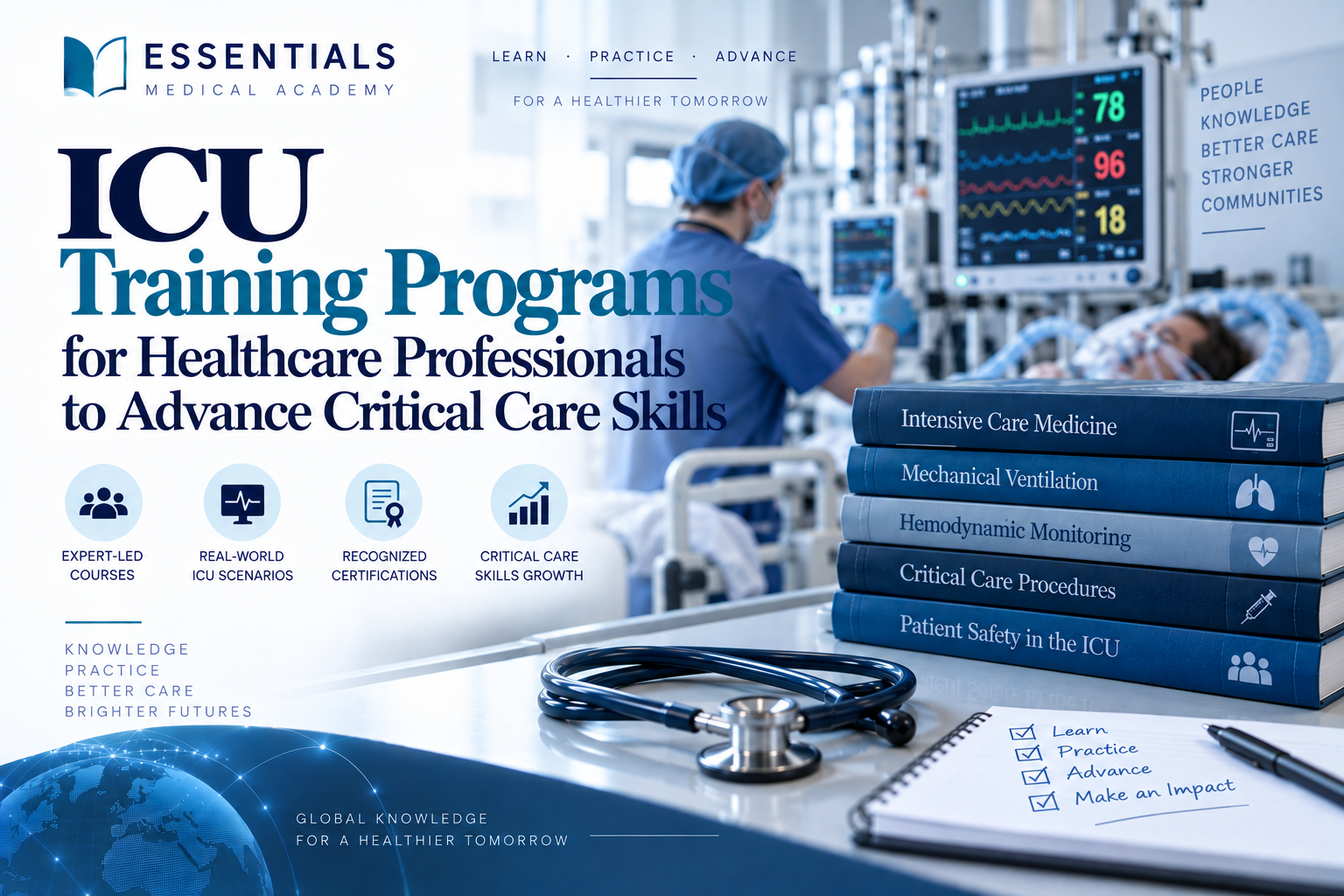
An intensive care unit is a specialized hospital department that provides continuous monitoring and advanced medical support for patients with life-threatening illnesses, severe injuries, or complications following major surgery. These patients may experience unstable vital signs, impaired breathing, circulatory problems, or failure of one or more organs. The unit is designed to deliver a higher level of observation and intervention than standard hospital wards, allowing healthcare professionals to identify deterioration quickly and respond to changing clinical needs. Admission is generally based on the severity of illness and the need for specialized support.
Patients receiving care in this environment may require mechanical ventilation, oxygen therapy, intravenous medications, fluid management, or advanced monitoring equipment. Some need temporary support for kidney function, while others require treatment for severe infections, major trauma, cardiac complications, or neurological emergencies. The specific interventions depend on the underlying condition, the patient’s response to treatment, and the clinical goals established by the responsible team.
An ICU is staffed by multidisciplinary professionals, including critical care physicians, nurses, respiratory therapists, pharmacists, physiotherapists, and other specialists. Each member contributes specific expertise to patient assessment, treatment planning, rehabilitation, and recovery. Regular communication helps the team coordinate interventions, review progress, and adjust care when necessary. Families may also receive updates and guidance to help them understand the patient’s condition and participate appropriately in discussions about care.
Technology plays an important role, but successful treatment depends on more than equipment. Clinicians must interpret monitoring information accurately, recognize warning signs, prevent avoidable complications, and communicate effectively. Infection prevention, medication safety, nutritional support, and attention to patient comfort are also essential components of treatment.
The overall purpose of intensive care is to stabilize patients, support vital organ function, and treat the conditions responsible for their deterioration. As the patient’s condition improves, the team evaluates readiness for transfer to a less intensive setting. Appropriate assessment, coordinated teamwork, and individualized treatment help promote recovery while maintaining patient safety throughout this demanding phase of hospital care.
What Is ICU Training for Healthcare Professionals?
Specialized education in intensive care helps healthcare professionals develop the knowledge and practical competencies required to care for patients with severe or potentially life-threatening conditions. These patients often experience rapidly changing symptoms and may require continuous monitoring, complex treatments, and coordinated support from multiple clinical disciplines. Effective preparation enables practitioners to recognize deterioration, interpret important clinical findings, communicate concerns clearly, and follow established procedures when urgent intervention is necessary.
A comprehensive educational program may cover respiratory support, cardiovascular assessment, neurological observation, infection management, fluid balance, medication safety, and the principles of organ support. Participants learn how to interpret vital signs, understand common laboratory abnormalities, and recognize patterns that may indicate worsening illness. Additional subjects may include patient positioning, nutrition, prevention of pressure injuries, pain management, and strategies for reducing healthcare-associated infections.
Practical learning is particularly valuable because critical care frequently involves situations in which decisions must be made under pressure. Simulation exercises can help learners practice emergency communication, recognize abnormal monitoring results, and understand the sequence of appropriate responses. Case discussions encourage clinical reasoning and allow participants to examine how different conditions influence treatment priorities. Supervised clinical placements and formal competency assessments may be necessary for professionals preparing to undertake advanced responsibilities.
ICU training should be tailored to the learner’s background and intended role. Physicians pursuing intensive care specialization require appropriate postgraduate pathways, supervised experience, and recognition by relevant professional authorities. Nurses, paramedics, respiratory therapists, and other healthcare workers need education aligned with their qualifications and authorized responsibilities. An introductory course may strengthen theoretical understanding, but it does not automatically grant specialist credentials or permission to perform restricted procedures.
Continuing professional development also helps experienced practitioners review updated protocols, learn from clinical incidents, and maintain familiarity with evolving technologies. When choosing a program, learners should evaluate its curriculum, accreditation, teaching methods, practical components, and assessment standards. High-quality education combines scientific knowledge, realistic clinical scenarios, effective teamwork, and patient safety principles. This preparation can strengthen professional confidence, improve communication, and support more consistent care for patients with complex medical needs.
Why ICU Training Is Essential for Critical Care Professionals
Patients with severe illnesses often require rapid assessment, continuous observation, and coordinated treatment to prevent further deterioration. Healthcare professionals caring for these individuals must recognize subtle clinical changes, understand the significance of monitoring data, and communicate urgent concerns without delay. Specialized preparation supports these responsibilities by strengthening clinical reasoning, improving familiarity with essential equipment, and reinforcing established safety procedures. It also helps practitioners understand how multiple organ systems interact during serious illness and why treatment decisions may need frequent reassessment.
ICU training is important because critical care environments present complex challenges, including respiratory failure, circulatory instability, severe infections, major trauma, and complications following surgery. Professionals must understand how to recognize warning signs, prioritize clinical problems, and escalate concerns appropriately. Education may cover airway and breathing assessment, cardiovascular monitoring, fluid management, infection prevention, medication safety, and the principles of supporting failing organs. These subjects provide a foundation for recognizing emergencies and understanding the responsibilities of different members of the clinical team.
Teamwork is another essential component of effective critical care. Physicians, nurses, respiratory therapists, pharmacists, and rehabilitation specialists must share accurate information and coordinate treatment. Structured handovers, clear documentation, and timely communication reduce the risk of misunderstandings, particularly when patients move between departments or when their condition changes unexpectedly. Simulation-based learning can help professionals practice responding to emergencies while developing leadership, situational awareness, and collaborative decision-making.
Education also reinforces the importance of preventing complications. Careful monitoring, appropriate infection-control measures, medication checks, pressure injury prevention, and early rehabilitation can contribute to safer treatment. Professionals must understand that clinical protocols should be adapted to the patient’s condition and applied within their professional scope of practice.
Ongoing learning allows practitioners to review evidence, improve their response to uncommon emergencies, and remain familiar with current clinical standards. Accredited courses and supervised experience may be necessary for specific responsibilities or specialist pathways. By combining theoretical knowledge with practical assessment and multidisciplinary collaboration, critical care professionals can strengthen their preparedness, support better clinical coordination, and contribute to safer patient outcomes in demanding hospital environments.
The Role of Intensive Care Units in Modern Healthcare
Modern hospitals rely on specialized services to manage patients whose illnesses or injuries require more intensive observation and treatment than standard inpatient care can provide. Intensive care units support patients with severe respiratory, cardiovascular, neurological, infectious, and postoperative complications. Their role extends beyond responding to emergencies because they also provide ongoing organ support, careful treatment adjustment, complication prevention, and coordinated planning for recovery. These services help hospitals manage complex conditions that may otherwise threaten a patient’s life or cause lasting disability.
An ICU brings together trained professionals, monitoring systems, specialized equipment, and treatment protocols within a coordinated clinical environment. Depending on the patient’s condition, care may involve mechanical ventilation, cardiovascular support, intravenous medications, renal replacement therapy, or advanced neurological observation. Continuous assessment allows clinicians to evaluate whether interventions are working and identify signs that a different approach may be needed. Treatment decisions are based on clinical findings, the underlying disease, the patient’s response, and established standards of care.
Intensive care also supports other hospital departments. Patients may be transferred from emergency services after serious trauma, admitted following major surgery, or referred from medical wards when their condition deteriorates. Close cooperation between departments helps ensure that essential information accompanies the patient and that treatment continues without unnecessary delays. As patients improve, clinicians assess whether they can safely move to a general ward or another appropriate care setting.
Modern critical care includes attention to communication, patient comfort, rehabilitation, and family support. Clinicians explain changes in condition when possible, discuss treatment goals, and help families understand complex decisions. Early mobility, nutritional support, and prevention of avoidable complications may contribute to recovery when clinically appropriate. Ethical decision-making is also important when discussing prognosis, treatment limitations, and patient preferences.
Technology continues to influence intensive care through improved monitoring, diagnostic tools, and treatment systems. However, equipment is most effective when used by qualified professionals who can interpret results accurately and respond appropriately. Multidisciplinary teamwork, evidence-based practice, infection prevention, and ongoing professional education remain central to high-quality services. Together, these elements help hospitals deliver timely, coordinated treatment for patients facing serious medical challenges.
ICU vs Critical Care: What Is the Difference?
The terms used to describe intensive hospital treatment can sometimes create confusion because they refer to closely related concepts. Understanding the distinction helps healthcare professionals, patients, and families communicate more accurately about hospital services, clinical responsibilities, and the level of support a patient may need. Although terminology varies between healthcare systems, one term generally describes a physical treatment area, while the other refers to a broader medical specialty and approach to managing severe illness.
An ICU is a dedicated hospital unit equipped to provide continuous monitoring and advanced support for patients with life-threatening conditions. It typically includes specialized beds, monitoring devices, respiratory support equipment, and access to professionals trained in managing complex medical problems. Patients may be admitted because of severe infections, major trauma, respiratory failure, cardiovascular instability, or complications after significant surgery. The specific admission criteria and available resources depend on the hospital and its clinical services.
Critical care is a broader term describing the specialty concerned with evaluating and treating patients whose conditions threaten vital organ function. It includes clinical decision-making, organ support, management of complex illnesses, and coordination among multidisciplinary teams. Professionals working in this specialty may provide care within an intensive care unit and participate in related services, such as emergency response, postoperative management, and consultation for deteriorating patients in other hospital departments.
ICU training often focuses on the equipment, procedures, workflows, and patient management principles associated with this specialized environment. Critical care education may cover a wider range of subjects, including pathophysiology, advanced clinical assessment, organ dysfunction, treatment prioritization, and multidisciplinary decision-making. In practice, however, these educational areas frequently overlap, and course titles alone do not reliably indicate the depth or recognition of a program.
The distinction is useful when selecting professional development opportunities or explaining treatment arrangements to families. Learners should review course objectives, entry requirements, accreditation, and practical components rather than relying exclusively on terminology. Both concepts emphasize timely assessment, appropriate monitoring, evidence-based treatment, and effective teamwork. Their shared purpose is to support patients with severe illness through coordinated care, careful reassessment, and appropriate interventions that respond to changing clinical needs.
Who Should Enroll in ICU Training Programs?
Critical care education is valuable for healthcare professionals who want to strengthen their ability to assess, monitor, and manage patients with life-threatening conditions. Doctors, nurses, recent medical graduates, and other qualified healthcare practitioners working in emergency departments, hospitals, or acute care settings may benefit from structured learning opportunities. These programs can help participants develop essential skills in recognizing clinical deterioration, interpreting vital signs, understanding respiratory support, and responding to medical emergencies. Experienced professionals may also use further education to refresh their knowledge, improve decision-making, and stay informed about updated clinical guidelines. New graduates can build a stronger foundation in patient assessment, infection prevention, and multidisciplinary teamwork before taking on more demanding responsibilities under appropriate supervision. The suitability of a course depends on its entry requirements, the participant’s professional background, and the level of clinical experience expected. Through Essentials, learners can explore educational resources that support continuous professional development, reinforce theoretical knowledge, and prepare them for the challenges of caring for critically ill patients. Combining structured study with supervised clinical practice helps healthcare teams deliver safer, more coordinated, and patient-centered care.
ICU Training for Doctors and Intensivists
Doctors responsible for patients with severe illnesses need advanced clinical knowledge, strong diagnostic reasoning, and the ability to make timely decisions when conditions change rapidly. Intensive care medicine involves managing complex problems such as respiratory failure, cardiovascular instability, severe infections, neurological emergencies, and multiple organ dysfunction. Physicians must understand how these conditions interact and how treatment decisions can affect the patient’s overall stability. Structured education helps clinicians develop the competencies required to assess critically ill patients, prioritize urgent problems, and coordinate appropriate interventions within multidisciplinary teams.
ICU training for doctors and intensivists commonly covers advanced physiological assessment, ventilatory support principles, hemodynamic monitoring, fluid management, infection control, and the interpretation of laboratory and imaging findings. Participants learn to recognize early signs of deterioration and understand how changes in vital signs may indicate worsening organ function. Education may also address sedation, analgesia, nutritional support, renal replacement therapy principles, and the prevention of complications associated with prolonged hospitalization.
Practical learning is essential because theoretical knowledge alone cannot prepare physicians for every clinical situation. Simulation exercises, supervised bedside experience, case discussions, and structured assessments help learners develop clinical judgment and improve their response to emergencies. Doctors also need strong communication skills to explain treatment plans, coordinate consultations, and provide accurate handovers when patients move between departments. Collaboration with nurses, respiratory therapists, pharmacists, and other specialists supports consistent decision-making.
Professionals pursuing specialist practice must follow recognized postgraduate pathways, complete appropriate supervised experience, and meet local licensing requirements. Short educational courses can supplement existing knowledge but do not automatically establish specialist competence or authorize independent practice. Continuing professional development also helps experienced physicians review current evidence, evaluate clinical outcomes, and update their knowledge of evolving treatment approaches.
A comprehensive learning strategy combines scientific understanding, practical assessment, teamwork, and patient safety principles. By strengthening these areas, physicians can improve their preparedness for complex clinical situations and contribute to coordinated, evidence-based care for patients experiencing serious illness.
ICU Training for Nurses
Nurses caring for critically ill patients play an essential role in continuous observation, treatment coordination, infection prevention, and patient comfort. Their work requires attention to subtle changes in clinical condition, accurate documentation, and effective communication with physicians and other healthcare professionals. Patients receiving intensive support may experience unstable vital signs, impaired breathing, altered consciousness, or complications related to serious illness. Nurses must understand how to recognize concerning findings and escalate problems promptly according to established clinical procedures.
ICU training for nurses commonly addresses physiological monitoring, respiratory support principles, medication safety, fluid balance, neurological assessment, and infection-control practices. Learners develop an understanding of oxygen saturation, heart rate, blood pressure, respiratory rate, urine output, and other indicators that can reveal changes in organ function. Education may also cover pain assessment, sedation monitoring, pressure injury prevention, nutritional support, safe patient positioning, and the importance of maintaining accurate clinical records.
Practical learning allows nurses to connect theoretical knowledge with realistic clinical situations. Simulation exercises can help participants practice responding to deteriorating vital signs, communicating urgent concerns, and coordinating emergency responses. Supervised clinical experience provides opportunities to develop technical competence while receiving feedback from qualified practitioners. Nurses should also understand the safe use of monitoring devices, infusion systems, ventilators, and other equipment relevant to their authorized responsibilities.
Communication is particularly important when patients have complex conditions or cannot express their needs clearly. Nurses contribute by reporting changes, supporting family communication within professional boundaries, and ensuring that important information is transferred accurately during handovers. Emotional support and respect for patient dignity remain essential, even in highly technical environments.
A suitable educational program should match the nurse’s qualifications, experience, and intended clinical role. Participants should review course recognition, practical requirements, and competency assessments before enrolling. A certificate alone does not authorize advanced procedures outside professional regulations. Continuing education, supervised practice, and adherence to institutional protocols help nurses maintain competence and provide safer, more coordinated care for critically ill patients.
ICU Training for Respiratory Therapists
Respiratory therapists support patients who experience breathing difficulties, impaired gas exchange, or conditions requiring specialized respiratory interventions. Their responsibilities may include assessing respiratory function, assisting with oxygen delivery, supporting ventilation, evaluating treatment responses, and collaborating with other members of the critical care team. Because respiratory problems can develop or worsen rapidly, practitioners need a strong understanding of respiratory physiology, equipment operation, patient monitoring, and the recognition of clinical deterioration.
ICU training for respiratory therapists may cover oxygen therapy, ventilator principles, airway assessment, blood gas interpretation, respiratory monitoring, and the management of patients with acute or chronic respiratory disorders. Learners explore how ventilation and oxygenation differ, why these processes can become impaired, and how clinical findings help guide treatment decisions. Education may also address humidification systems, airway clearance, secretion management, infection prevention, and equipment troubleshooting within the therapist’s authorized scope of practice.
Mechanical ventilation is an important area of respiratory care. Therapists need to understand common ventilation modes, relevant settings, alarm interpretation, and the relationship between ventilator support and patient physiology. They must also recognize when changes in oxygen saturation, respiratory effort, airway pressures, or blood gas results require reassessment and communication with the responsible clinician. Training should emphasize that treatment adjustments must follow professional competencies, clinical protocols, and the patient’s individualized management plan.
Effective collaboration is essential because respiratory support frequently involves physicians, nurses, physiotherapists, and other specialists. Clear handovers and accurate documentation help teams evaluate treatment responses and coordinate decisions. Simulation-based education can provide a controlled environment for practicing equipment checks, responding to alarms, and communicating during respiratory emergencies.
Professionals should select courses that align with their credentials and local regulatory requirements. Advanced clinical responsibilities may require additional recognized qualifications and supervised practical experience. Continuing education also helps therapists remain familiar with updated technologies and evidence-based respiratory practices. By strengthening assessment skills, equipment knowledge, and interdisciplinary communication, respiratory therapists can contribute to safer ventilation support and more consistent care for patients with serious respiratory conditions.
ICU Training for Emergency Medicine Professionals
Emergency medicine professionals frequently encounter patients whose conditions require rapid stabilization, continuous reassessment, and coordination with specialized hospital teams. Severe trauma, respiratory distress, cardiac emergencies, sepsis, and altered consciousness may require immediate clinical decisions before a patient is transferred to a higher level of care. Healthcare workers must recognize warning signs, prioritize urgent interventions, and communicate essential information accurately. Strong preparation supports a smoother transition between emergency treatment and ongoing critical care.
ICU training for emergency medicine professionals can strengthen understanding of organ dysfunction, physiological monitoring, respiratory support principles, cardiovascular assessment, fluid management, and infection-related complications. Participants learn how changes in blood pressure, oxygen saturation, heart rate, respiratory effort, and mental status may indicate deterioration. Education may also address the interpretation of laboratory findings, stabilization principles, medication safety, and the coordination of investigations for patients with complex conditions.
One important learning objective is understanding how emergency priorities evolve after initial stabilization. A patient may initially respond to treatment but later develop worsening respiratory function, circulatory instability, or other complications. Professionals must continue reassessing the clinical picture, communicate new findings, and involve the appropriate specialists when necessary. Structured case discussions can help learners recognize patterns, evaluate alternative explanations, and understand why repeated assessment is essential.
Simulation exercises provide opportunities to practice emergency teamwork, structured handovers, and responses to deteriorating patients. They can also highlight the importance of leadership, role clarity, equipment readiness, and accurate documentation. When transferring a patient, the team should communicate the presenting problem, treatment already provided, important results, current observations, and outstanding concerns.
Course selection should reflect the professional’s role, existing qualifications, and local scope-of-practice requirements. Introductory education may improve theoretical understanding, while advanced responsibilities often require formal postgraduate training and supervised clinical experience. Continuing development helps professionals review current protocols and strengthen coordination between emergency departments and intensive care services. By combining clinical reasoning, practical preparation, and effective communication, emergency medicine teams can support safer stabilization and continuity of care for patients with life-threatening conditions.
ICU Training for Pharmacists
Pharmacists contribute significantly to the care of patients with severe illnesses by supporting medication selection, reviewing prescriptions, identifying potential interactions, and helping healthcare teams use medicines safely. Critically ill patients often have complex treatment plans involving multiple medications, rapidly changing organ function, and frequent adjustments based on clinical response. These circumstances increase the importance of careful medication review, accurate dosing considerations, and communication with physicians and nurses. Specialized knowledge helps pharmacists identify medication-related risks and support individualized treatment decisions.
ICU training for pharmacists commonly covers critical care pharmacotherapy, antimicrobial stewardship, analgesia, sedation, medication reconciliation, and the principles of pharmacokinetics and pharmacodynamics. Learners explore how severe illness can alter drug distribution, metabolism, and elimination. Changes in kidney or liver function may influence medication exposure, while fluid shifts and organ support therapies can affect drug behavior. Understanding these factors helps pharmacists recognize when a prescription may require further review by the responsible clinical team.
Medication safety is particularly important in intensive care because patients may receive high-alert medicines, intravenous infusions, antibiotics, anticoagulants, and drugs that influence blood pressure or respiratory function. Pharmacists can help identify duplications, contraindications, potential interactions, allergy concerns, and administration problems. They may also contribute to monitoring plans by recommending appropriate laboratory assessments and reviewing evidence of effectiveness or toxicity within their professional responsibilities.
Collaboration is central to this role. Pharmacists participate in multidisciplinary discussions, communicate medication-related concerns, and support the development of safe prescribing and administration practices. Their contribution can be valuable when patients transition between departments, because medication changes and treatment plans must be documented clearly to reduce errors. Education may also address antimicrobial resistance, appropriate antibiotic duration, intravenous compatibility, and safe medication storage.
A suitable course should match the pharmacist’s experience, workplace responsibilities, and professional development goals. Learners should review the curriculum, recognition status, and practical components before enrolling. Continuing education can help pharmacists remain familiar with evolving evidence and critical care guidelines. By strengthening pharmacological knowledge, clinical communication, and medication review skills, pharmacists can support safer treatment decisions and contribute to coordinated care for patients with complex medical needs.
ICU Training for Allied Health Professionals
Allied health professionals contribute significantly to the care of critically ill patients by supporting diagnosis, treatment, rehabilitation, and recovery. Depending on their roles, these specialists may include respiratory therapists, clinical pharmacists, physiotherapists, laboratory professionals, and radiology technologists who collaborate with doctors and nurses in hospital settings. Specialized education helps them understand critical care environments, recognize changes in patient conditions, and communicate important clinical observations to the wider healthcare team. Relevant learning topics may include infection prevention, vital sign monitoring, respiratory support principles, medication safety, and emergency response procedures appropriate to each professional’s scope of practice. Developing these competencies can improve teamwork, strengthen clinical awareness, and support more coordinated patient management. Training should also emphasize professional responsibilities, accurate documentation, and adherence to established safety protocols. Through Essentials, allied health professionals can expand their knowledge, refresh existing skills, and explore educational opportunities that support their career development. Combining structured learning with supervised practical experience enables participants to apply relevant concepts confidently while contributing to safe, effective, and patient-centered care in demanding clinical environments.
ICU Training for Medical Students and Recent Graduates
Medical students and recent graduates need a strong foundation in critical care principles to understand how healthcare teams manage patients with severe illnesses and life-threatening conditions. Early exposure to intensive care concepts helps learners connect classroom knowledge with clinical practice, recognize the importance of rapid assessment, and understand how different organ systems respond to serious disease. It can also introduce future physicians to the responsibilities involved in caring for unstable patients and coordinating treatment across hospital departments.
A suitable educational program may cover vital sign interpretation, respiratory assessment, cardiovascular function, fluid balance, infection management, and the recognition of clinical deterioration. Students can learn why changes in oxygen saturation, blood pressure, respiratory rate, urine output, and mental status may indicate worsening illness. Additional subjects may include medication safety, basic ventilatory support principles, nutritional assessment, and the prevention of complications associated with prolonged hospitalization. These topics provide a foundation for understanding clinical priorities without replacing formal medical education.
ICU training can incorporate case discussions, simulation exercises, supervised observation, and structured feedback. Simulated scenarios allow learners to practice identifying abnormal findings, communicating urgent concerns, and understanding the sequence of appropriate clinical responses. Supervised clinical exposure also helps students appreciate the importance of accurate documentation, professional conduct, infection prevention, and collaboration with nurses, respiratory therapists, pharmacists, and other specialists.
Recent graduates may benefit from more structured learning as they transition into clinical responsibilities. They must understand their limitations, seek senior guidance when necessary, and follow local protocols when assessing patients or escalating concerns. Introductory courses do not independently qualify graduates to manage critically ill patients without appropriate supervision or to perform restricted procedures.
When selecting a program, learners should review the curriculum, accreditation, teaching methods, practical components, and assessment requirements. Recognized postgraduate pathways are essential for those pursuing specialist careers. A combination of foundational knowledge, supervised experience, and continuing education helps early-career doctors develop clinical reasoning, communication, and patient safety skills needed for responsible professional growth.
ICU Training for Experienced Healthcare Professionals
Experienced healthcare professionals regularly encounter new clinical guidelines, evolving technologies, and increasingly complex patient needs. Although practical experience provides valuable insight, continued education remains important for maintaining competence and identifying areas that require further development. Professionals working with seriously ill patients must be able to recognize deterioration, interpret monitoring information, coordinate treatment, and communicate effectively when clinical conditions change. Structured learning can reinforce these abilities while helping practitioners review established procedures and current evidence.
ICU training for experienced practitioners may address advanced patient assessment, respiratory support principles, cardiovascular monitoring, fluid management, medication safety, infection prevention, and the recognition of organ dysfunction. Depending on the participant’s profession, education may also cover ventilator monitoring, critical care pharmacotherapy, emergency response, nutritional support, and strategies for preventing hospital-acquired complications. The curriculum should reflect the learner’s existing qualifications and intended responsibilities rather than assume that every professional requires identical competencies.
Case-based learning enables participants to examine complex clinical situations, compare possible management approaches, and evaluate the evidence supporting different decisions. Simulation exercises can provide opportunities to practice communication during emergencies, respond to abnormal observations, and coordinate actions with multidisciplinary colleagues. Structured feedback helps identify strengths and areas for improvement without placing patients at unnecessary risk.
Continuing professional development also encourages reflection on clinical incidents, medication errors, communication failures, and opportunities to improve patient outcomes. Experienced practitioners should understand how institutional protocols, professional regulations, and patient-specific factors influence clinical decisions. A course certificate alone does not automatically grant specialist status or authorize procedures outside an individual’s professional scope.
Before enrolling, learners should evaluate accreditation, faculty expertise, assessment methods, practical experience requirements, and relevance to their workplace. Programs aligned with recognized professional standards may support career development and help practitioners maintain current knowledge. Combining education with supervised practice, competency assessment, and multidisciplinary collaboration can strengthen professional performance and support safer, more consistent care for patients with severe or complex illnesses.
Core Competencies Required for Working in an ICU
Healthcare professionals caring for critically ill patients need a combination of clinical knowledge, practical abilities, communication skills, and professional judgment. Patients in intensive care may experience rapid changes in breathing, circulation, neurological function, or other vital processes. Effective care therefore depends on recognizing important clinical findings, understanding their possible significance, and responding according to established protocols. Competency also involves knowing when additional expertise is required and escalating concerns without unnecessary delay.
ICU training commonly addresses several foundational competencies, including systematic patient assessment, interpretation of vital signs, recognition of deterioration, medication safety, infection prevention, and effective documentation. Practitioners should understand the relationship between respiratory function, cardiovascular stability, kidney function, and neurological status. They must also recognize that changes in one organ system may affect the functioning of others, making repeated assessment essential when managing complex illness.
Communication and teamwork are equally important. Physicians, nurses, respiratory therapists, pharmacists, and other professionals contribute different areas of expertise to the patient’s treatment plan. Clear handovers, accurate records, structured team discussions, and timely reporting help prevent misunderstandings. Professionals should communicate clinical concerns directly and respectfully, particularly when a patient’s condition changes or an intervention does not produce the expected response.
Technical competencies vary according to professional role. Some clinicians require advanced knowledge of ventilatory support, invasive monitoring, or organ replacement therapies, while other team members focus on medication management, respiratory support, rehabilitation, or bedside nursing. Each individual must work within their qualifications, authorized responsibilities, and institutional policies. Competence should be assessed through appropriate methods rather than assumed solely from course attendance or years of experience.
Professionalism also includes protecting patient dignity, respecting confidentiality, communicating sensitively with families, and participating in quality improvement activities. Simulation, supervised practice, case reviews, and continuing education can help professionals maintain and strengthen their skills. A comprehensive competency framework supports consistent clinical standards, improves coordination, and encourages safer decisions in demanding hospital environments where timely, informed action can make a substantial difference to patient outcomes.
Essential Clinical Skills for ICU Healthcare Professionals
Clinical skills are fundamental to caring for patients whose conditions require continuous observation and advanced medical support. Healthcare professionals must assess patients systematically, recognize changes in physiological function, and communicate concerns clearly to the responsible team. Because serious illness can progress rapidly, practitioners need to combine accurate observation with sound judgment and an understanding of when urgent reassessment is necessary. Their responsibilities vary by profession, but patient safety and coordinated care remain central priorities.
ICU training can strengthen skills in respiratory assessment, cardiovascular monitoring, neurological observation, fluid balance, medication safety, and infection prevention. Professionals learn to interpret measurements such as oxygen saturation, blood pressure, heart rate, respiratory rate, temperature, and urine output within the wider clinical context. They also develop an understanding of how laboratory findings, medication effects, and existing medical conditions can influence a patient’s status. Monitoring data should never be interpreted in isolation when the patient’s symptoms or overall appearance suggest deterioration.
Practical competencies may include safe equipment handling, accurate documentation, patient positioning, pressure injury prevention, and effective handovers. Depending on their qualifications, some practitioners may require supervised experience with airway management, ventilatory support, vascular access, or other advanced procedures. Simulation exercises can help learners practice emergency communication, identify abnormal clinical trends, and understand appropriate escalation pathways. These activities provide a controlled environment for developing confidence before undertaking relevant tasks in clinical practice.
Clinical care also requires compassion and attention to patient comfort. Critically ill individuals may experience pain, anxiety, confusion, communication difficulties, or reduced mobility. Professionals should respond respectfully, protect privacy, explain care when possible, and involve families appropriately. Rehabilitation, nutritional support, and prevention of avoidable complications are important considerations throughout recovery.
Developing clinical competence requires structured education, practical supervision, and regular assessment. Healthcare professionals should follow current guidelines and work within their authorized scope of practice. Continuing professional development helps maintain knowledge as treatment approaches and monitoring technologies evolve. By combining systematic assessment, technical proficiency, communication, and compassionate care, clinical teams can improve coordination and provide safer support for patients with severe illnesses.
Understanding the ICU Environment and Workflow
The intensive care environment is designed to support patients who need continuous monitoring, specialized interventions, and coordinated medical attention. It commonly includes dedicated patient beds, monitoring equipment, respiratory support systems, infusion devices, emergency supplies, and areas for preparing medications and organizing clinical documentation. Because patients may deteriorate unexpectedly, equipment availability, organized workflows, and clear communication are essential. Every member of the healthcare team must understand their responsibilities and how their work contributes to patient safety.
ICU training introduces learners to common workflows, including patient admission, initial assessment, treatment planning, routine monitoring, multidisciplinary review, and transfer to another care setting. During admission, clinicians gather relevant medical information, assess immediate risks, and establish priorities based on the patient’s condition. The team then develops a management plan that may involve respiratory support, medication, fluid management, diagnostic investigations, or other interventions. Repeated assessments help determine whether treatment is effective and whether priorities need to change.
Daily workflows often include reviewing vital signs, evaluating laboratory results, assessing medications, documenting clinical findings, and discussing progress with the multidisciplinary team. Structured handovers are particularly important during shift changes and transfers because they communicate current concerns, treatment plans, pending investigations, and necessary precautions. Accurate records support continuity of care and reduce the likelihood of important information being overlooked.
Infection prevention is another major aspect of the clinical environment. Hand hygiene, appropriate protective equipment, equipment cleaning, and adherence to isolation procedures help reduce the spread of infections. Professionals must also understand safe medication practices, patient identification procedures, emergency response arrangements, and equipment checks. Maintaining patient dignity and supporting communication with families remain important despite the technical demands of intensive treatment.
Workflow differs between hospitals according to staffing, resources, patient populations, and institutional policies. New team members should receive appropriate orientation, supervised practice, and guidance about escalation procedures. Understanding how the environment operates helps professionals anticipate their responsibilities and collaborate more effectively. Organized workflows, reliable communication, and consistent safety practices support timely decision-making and help deliver coordinated care to patients with complex medical needs.
Types of Intensive Care Units and Their Specialties
Hospitals may organize intensive care services according to patient age, the type of illness being treated, or the specialized support required. These arrangements help clinical teams develop expertise in particular conditions and tailor monitoring and treatment to individual needs. Although the exact structure differs between healthcare organizations, specialized units share a common purpose: supporting patients whose conditions require close observation, advanced interventions, and coordinated multidisciplinary care.
A medical intensive care unit commonly treats patients with severe infections, respiratory failure, complex metabolic disorders, or multiple organ dysfunction. A surgical unit focuses on patients who need intensive monitoring after major operations or who experience serious postoperative complications. Cardiac units manage selected patients with severe cardiovascular problems, while neurological units specialize in conditions such as major strokes, traumatic brain injuries, and other serious neurological emergencies. Some hospitals combine these services according to available resources and clinical demand.
Pediatric intensive care units care for critically ill infants, children, and adolescents who require age-appropriate monitoring and treatment. Neonatal intensive care units provide specialized support for newborns, particularly premature infants or babies with serious medical conditions. Burn units may offer intensive support for patients with extensive burns, while trauma-focused services coordinate care for individuals with major injuries. Certain hospitals also provide specialized cardiac surgery or transplant critical care services.
ICU training should reflect the clinical setting in which a professional works. Core subjects often include patient assessment, physiological monitoring, recognition of deterioration, infection prevention, medication safety, and emergency communication. Specialized education may address the unique needs of children, newborns, cardiac patients, neurological cases, or individuals recovering from complex surgery. Practitioners should seek appropriate supervised experience and recognized qualifications before undertaking advanced responsibilities.
The availability of specialized units depends on hospital size, staffing, equipment, referral networks, and local healthcare needs. Patients may move between services as their condition changes, making effective communication and coordinated transfers essential. Understanding the differences between these settings helps healthcare professionals identify the skills required for their roles and select relevant educational opportunities. Across all specialties, evidence-based practice, multidisciplinary teamwork, compassionate care, and consistent safety standards remain fundamental to managing severe illness and supporting recovery.
Medical ICU vs Surgical ICU: Key Differences
Critical care units are designed to provide intensive monitoring and specialized treatment for patients with severe or potentially life-threatening conditions, but their primary focus can differ. A medical intensive care unit generally treats patients experiencing serious medical illnesses, such as severe infections, respiratory failure, cardiac complications, or acute exacerbations of chronic diseases. A surgical intensive care unit primarily cares for patients recovering from major operations or experiencing complications related to surgical procedures, including significant bleeding, postoperative infections, and organ dysfunction. Both environments require close observation, advanced monitoring equipment, coordinated teamwork, and rapid responses to changes in a patient’s condition. However, medical teams may focus more heavily on stabilizing complex medical disorders, while surgical teams often combine critical care with postoperative management and collaboration with surgeons. The distinction is not absolute, as many hospitals treat overlapping conditions across both settings. Through Essentials, healthcare professionals can develop a clearer understanding of these specialized environments, strengthen their knowledge of patient assessment, and explore the clinical principles that guide safe decision-making. This foundation supports effective collaboration and helps professionals contribute to high-quality, evidence-based care for critically ill patients.
